Asian Markets Bounce Back as Chip Stocks Rebound. But the Real Test for AI Is Still Ahead.
After several days of selling, Asian markets finally found some relief.
Technology stocks, especially semiconductor companies, led the recovery as investors stepped back into the sector after a sharp pullback. At the same time, oil prices eased slightly, helping calm fears that rising energy costs could fuel inflation.
But while markets looked stronger on Tuesday, investors know the bigger story is still unfolding.
The next few weeks could decide whether the AI-driven rally that has powered global markets over the past year still has room to run.
What Happened in Asian Markets?
Asian equities posted their first gain in four trading sessions.
The MSCI Asia Pacific Index climbed 1.7%, with semiconductor companies doing most of the heavy lifting.
Some of the biggest movers included:
- Samsung Electronics, one of the world’s largest memory chip manufacturers.
- Taiwan Semiconductor Manufacturing Company (TSMC), the world’s leading contract chipmaker.
Both companies were among the biggest contributors to the index’s gains.
Regional markets also recovered strongly:
- South Korea gained around 3%
- Taiwan rose close to 3%
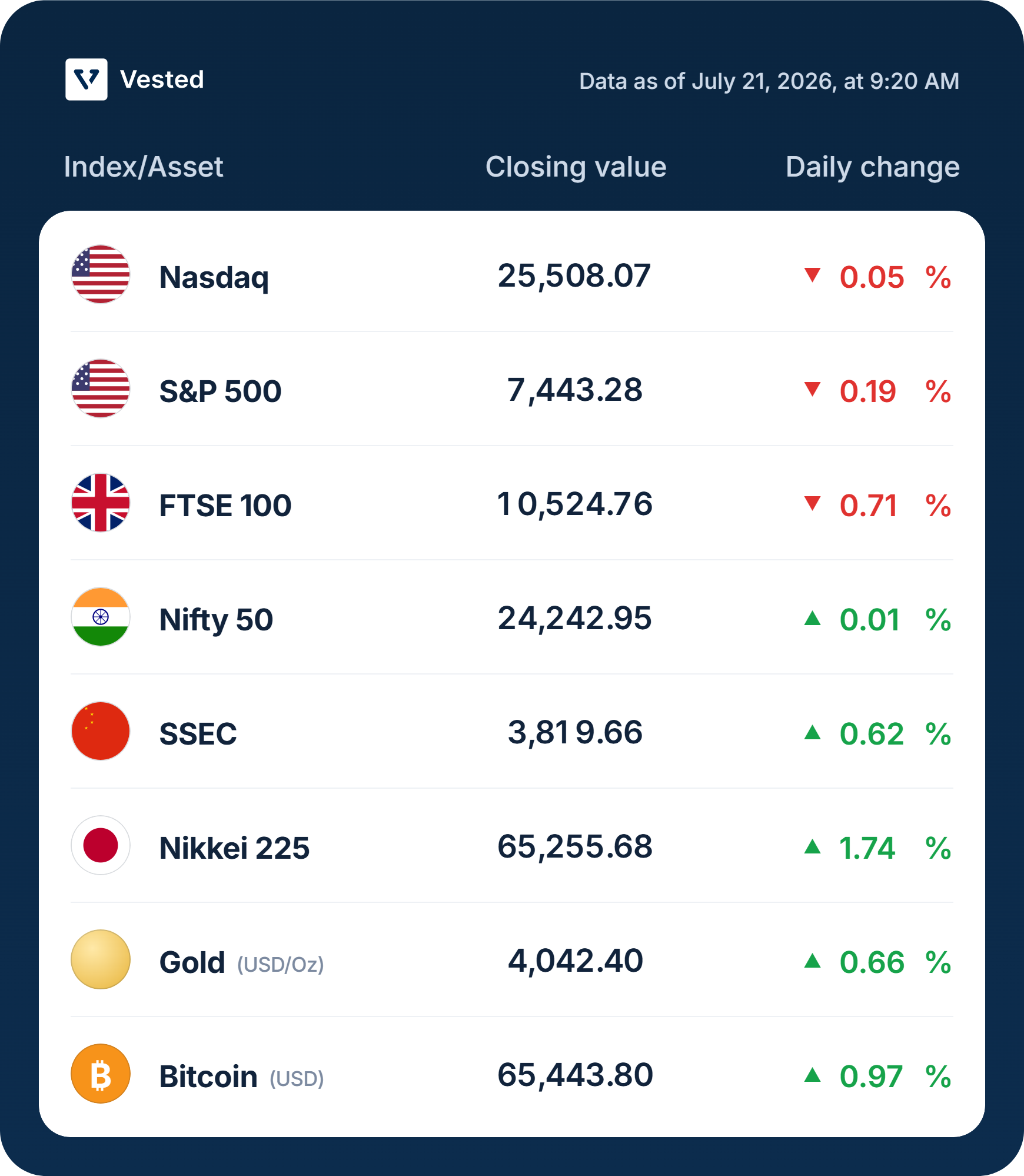
- Japan’s Nikkei 225 advanced 1.7%, bouncing back after recently slipping into correction territory.
US futures also turned positive, particularly the Nasdaq, suggesting investors were once again willing to buy technology stocks after last week’s heavy selling.
Why Chip Stocks Suddenly Rebounded
The recovery wasn’t driven by one single headline.
Instead, investors appear to believe that the recent correction may have become excessive.
Chip stocks have been under pressure for weeks because of several concerns:
- Rising geopolitical tensions in the Middle East.
- Higher oil prices increasing inflation worries.
- Profit booking after a massive AI-driven rally.
- Growing questions about whether AI investments are generating enough financial returns.
After such a steep decline, many investors viewed the pullback as an opportunity rather than the start of a long-term downturn.
Corporate earnings have also remained relatively resilient, giving markets confidence that the broader economy is still holding up.
The AI Trade Is Entering Its Most Important Phase
For more than a year, markets have rewarded companies spending aggressively on artificial intelligence.
Investors were willing to overlook high costs because they believed AI would eventually generate enormous profits.
Now they want proof.
This week marks the beginning of earnings season for America’s technology giants.
The spotlight will be on:
- Tesla
- Alphabet (Google)
- Microsoft
- Meta
- Apple
- Amazon
These companies have invested hundreds of billions of dollars into AI infrastructure, chips and data centers.
The market now wants answers to two important questions:
- Is AI spending continuing at the same pace?
- Is that spending translating into real revenue and profits?
Strong earnings could restart the technology rally.
Weak guidance could extend the recent correction.
Alphabet’s Chip Plans Show Why Competition Is Intensifying
Another development attracting attention is Alphabet’s reported work on a new in-house AI server chip.
According to reports, the chip, internally called Frozen v2, is being designed specifically to optimize the company’s Gemini AI models.
If deployed successfully, it could reduce dependence on third-party hardware suppliers while improving efficiency.
This also highlights a broader trend.
Every major technology company is now trying to build its own AI infrastructure rather than relying entirely on external chip vendors.
That means the competition is expanding beyond software into the hardware powering AI itself.
Oil Prices Cool After Recent Surge
One reason markets felt more comfortable was the decline in oil prices.
Brent crude slipped below $89 per barrel, even though geopolitical risks remain elevated.
Traders continue to monitor:
- Houthi threats against shipping routes in the Red Sea.
- Ongoing tensions involving Iran.
- Possible disruptions to Saudi Arabian oil exports.
Energy markets remain volatile, but Tuesday’s decline eased immediate concerns that another sharp jump in oil prices could accelerate inflation.
Lower oil prices also reduce pressure on central banks that are trying to keep inflation under control.
Why Investors Are Still Watching the Middle East Closely
The recent conflict has reminded markets that geopolitical events can quickly affect global assets.
Higher oil prices typically lead to:
- Increased transportation costs.
- Higher manufacturing expenses.
- More persistent inflation.
- Pressure on bond markets.
- Greater uncertainty for equity investors.
So far, however, markets are treating the situation as a manageable risk rather than a full-scale economic shock.
Many analysts believe today’s global economy is far less dependent on oil than it was during previous energy crises.
That makes economic growth more resilient even when oil prices temporarily rise.
Other Market Developments Worth Noting
Several additional developments also caught investor attention.
India
SBI Funds Management is expected to make a strong stock market debut after attracting massive investor demand for its $1 billion IPO.
Europe
Alibaba received a €550 million fine from the European Union over illegal product listings under the bloc’s digital content regulations.
United Kingdom
UK government bonds weakened after investors reacted cautiously to the new government’s fiscal approach and cabinet appointments.
Currencies
The New Zealand dollar strengthened after inflation came in higher than expected, increasing expectations of future interest rate hikes.
Gold also continued to rise as some investors maintained defensive positions despite the rebound in equities.
What This Means for Investors
The recovery in chip stocks is encouraging, but it does not necessarily signal that volatility is over.
Markets have shifted from rewarding AI promises to demanding measurable results.
Over the next two weeks, earnings from major technology companies will likely shape market sentiment far more than short-term price movements.
Investors should focus on:
- AI-related capital spending.
- Revenue growth from AI products.
- Profit margins despite heavy investments.
- Management commentary on future AI demand.
- Guidance for the rest of the year.
These updates could determine whether technology resumes leading global markets or whether investors continue rotating into other sectors.
Investor Takeaway
The rebound in Asian markets shows that confidence in AI and semiconductor companies has not disappeared. Investors are still willing to buy quality technology businesses after sharp corrections.
However, the easy part of the AI rally is likely behind us.
Markets now expect companies to demonstrate that massive AI investments are creating sustainable revenue, stronger profits and long-term competitive advantages.
The next few earnings reports from the world’s biggest technology companies may end up being the most important test of the AI investment story in 2026.