Artificial intelligence is driving one of the biggest shifts the semiconductor industry has seen in decades. The massive demand for AI computing is creating a shortage of memory chips, and the ripple effects are already showing up across the global electronics industry.
For consumers, this could mean more expensive smartphones, laptops, gaming consoles and even cars in the coming years.
The Hidden Component Behind AI: Memory Chips
Most people focus on AI processors like GPUs. But behind every AI system is a huge amount of memory that stores and moves data.
Two types of memory dominate modern computing:
- DRAM – short term working memory used by CPUs and GPUs
- NAND – long term storage used in SSDs, smartphones and data centers
These chips are present in almost every modern device:
- Smartphones
- Laptops and PCs
- Gaming consoles
- Cars
- Cloud servers
- AI data centers
Without memory, processors cannot access data fast enough. Programs would slow down, apps would lag and AI systems would stall.
Why AI Needs So Much Memory
AI models process enormous amounts of data. Training and running them requires moving data extremely quickly between processors and memory.
This has made a special type of memory incredibly valuable.
High Bandwidth Memory (HBM)
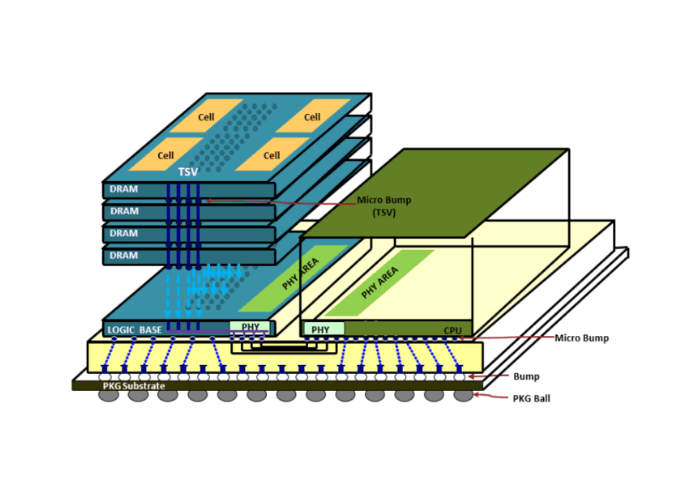


HBM is a newer type of DRAM designed specifically for AI workloads.
Instead of placing memory chips side by side like traditional DRAM, HBM stacks multiple layers vertically and connects them with microscopic channels called Through Silicon Vias (TSVs).
Think of it like a multi story parking garage for data rather than a flat parking lot.
This architecture allows:
- Much faster data transfer
- Higher bandwidth for AI processors
- Lower power consumption
AI systems rely heavily on this type of memory to avoid bottlenecks when processing massive datasets.
The Real Problem: AI Is Consuming the Global Supply
The biggest technology companies are spending unprecedented amounts on AI infrastructure.
Companies like:
- Amazon
- Microsoft
- Alphabet
- Meta Platforms
are collectively investing hundreds of billions of dollars into AI data centers.
To secure supply, these firms are:
- Signing multi year supply contracts
- Paying premium prices for memory chips
- Buying up large portions of production capacity
Chipmakers naturally prioritize these higher margin AI orders.
That leaves fewer memory chips available for consumer electronics manufacturers.
Memory Prices Are Surging
The imbalance between supply and demand is already pushing prices sharply higher.
In some cases:
- DRAM spot prices have surged nearly 700 percent in the past year
- NAND storage prices are also climbing rapidly
Memory has suddenly become one of the most expensive components inside electronics.
For example:
- Memory now represents around 35 percent of the cost of building a laptop, up from roughly 15 to 18 percent just months earlier.
The Impact on Consumer Devices
As memory prices rise, device manufacturers are facing tough choices.
Many companies are already responding.
Higher prices
Companies like:
- HP
- Dell Technologies
have started increasing prices on PCs and servers to offset rising component costs.
Lower specifications
Some manufacturers are releasing devices with:
- Less RAM
- Smaller storage capacity
This can affect performance and longevity.
Delayed launches
Gaming companies like:
- Sony Group
- Nintendo
have warned that component shortages could delay new product launches.
Smartphone market pressure
Research firms estimate memory inflation could increase smartphone manufacturing costs by 15 percent or more.
As a result, lower margin devices may disappear, especially in price sensitive markets.
Cars Are Also Affected
Modern vehicles rely heavily on electronics.
Memory chips power:
- Driver assistance systems
- Navigation and infotainment
- Sensors and cameras
- Electric vehicle software
As AI demand absorbs more supply, automotive electronics manufacturers are also competing for the same chips.
That could contribute to higher car prices over time.
Why Chipmakers Cannot Quickly Fix the Problem
Only three companies dominate the global memory chip industry:
- Samsung Electronics
- SK Hynix
- Micron Technology
Building new semiconductor factories is extremely expensive.
Key challenges include:
- Factories cost tens of billions of dollars
- Construction and equipment installation take several years
- HBM chips are much harder to manufacture than traditional memory
HBM requires stacking extremely thin silicon layers and drilling microscopic channels through them with near perfect precision.
Even a tiny defect can ruin an entire stack.
Because of these challenges, expanding supply will take time.
The Bigger Question: Temporary Shortage or Structural Shift?
The memory industry has always been cyclical.
Historically:
- Demand spikes
- Manufacturers expand capacity
- Oversupply eventually crashes prices
But AI could change this pattern.
If AI infrastructure continues expanding at its current pace, memory demand may stay elevated for many years.
That would fundamentally reshape the semiconductor market.
The Bottom Line
The AI boom is not just transforming software and data centers. It is reshaping the entire semiconductor supply chain.
- AI data centers are absorbing massive amounts of memory chips
- Memory prices have surged as supply tightens
- Consumer electronics companies are facing higher costs
- Prices of smartphones, PCs and other devices may rise
In short, the global race to build AI systems could end up affecting the price of almost every electronic device people buy.